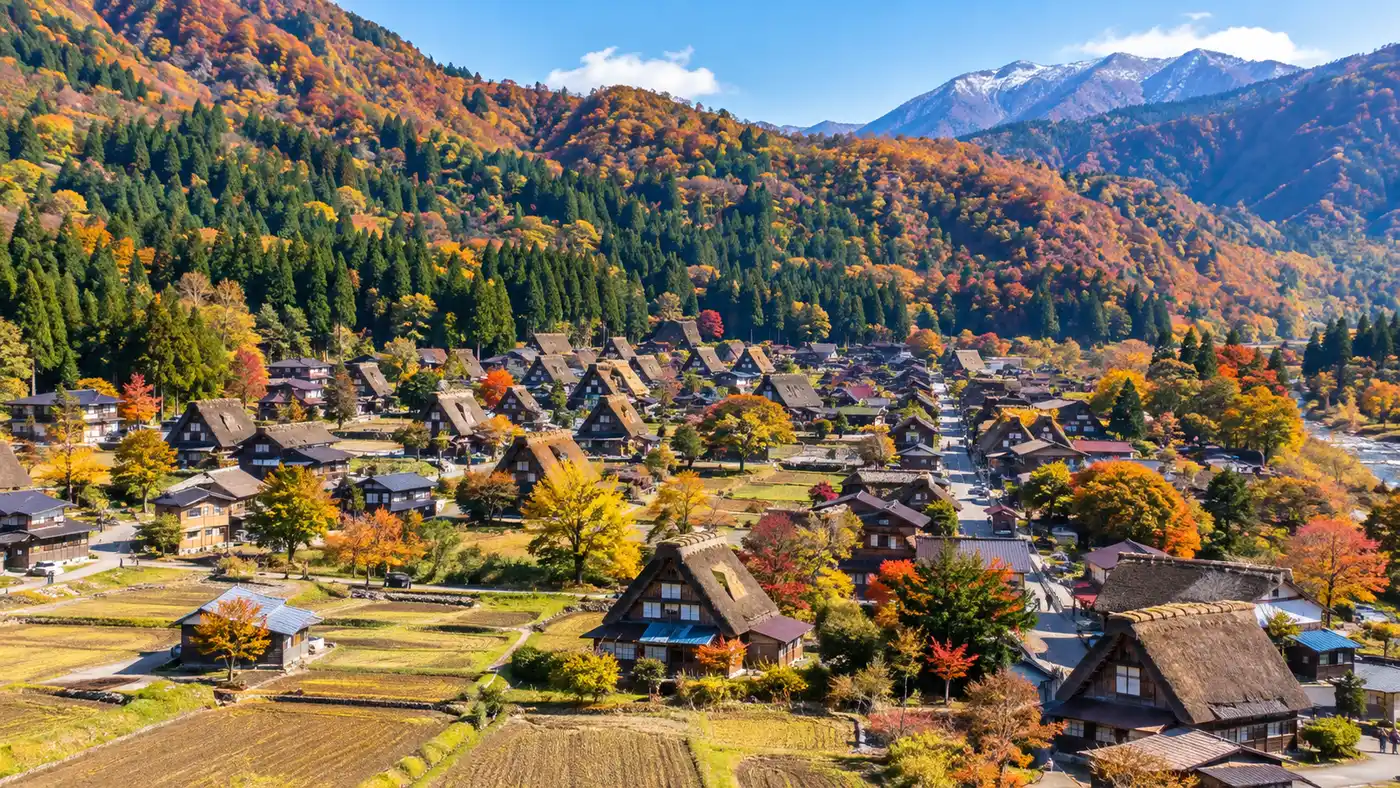
How to Get to Shirakawa-go: Complete Bus and Travel Guide
Getting from tokyo to shirakawago takes some deliberate choreography. Ogimachi, the main village in the valley, has no train station, no airport, and high mountain passes flanking it on almost every side. You cannot just tap an IC card in Shinjuku and wake up beside a thatch-roof farmhouse.
Every single traveler arrives by road. Most step off a highway coach at the central depot after a long ride through river gorges and long mountain tunnels. Getting your transit mapped out early saves you from showing up at a train terminal only to discover every connecting seat sold out three weeks ago. Here is how the routes work, how to piece together the legs, and how to avoid the easy mistakes.
Book your shirakawa village experience:
Tokyo to Shirakawago: Choosing Your Gateway City
You have two practical approaches when traveling from Tokyo. One route shoots northwest toward the Sea of Japan coast via the Hokuriku Shinkansen, while the other runs west along the Tokaido corridor before curving north into the Hida Mountains. Both paths end on a bus.
The northern approach drops you at either Kanazawa or Toyama. Kanazawa gives you a vibrant castle town full of preserved teahouses and fresh seafood, while Toyama is slightly faster and tends to have quieter ticket queues. The southern approach sends you through Nagoya and dumps you in Takayama, a wooden merchant town that pairs naturally with any Shirakawa village from tokyo itinerary.
If speed matters most, go through Kanazawa or Toyama. If you want old wooden alleys, morning markets, and mountain beef before stepping into the thatched hamlet, route through Takayama. A few intrepid budget backpackers take overnight buses from Shinjuku to Toyama or Takayama and connect to local morning departures, but you sacrifice sleep for a modest saving.
| Route Option | Train Leg | Bus Leg | Total Travel Time | Estimated One-Way Fare |
|---|---|---|---|---|
| Tokyo via Kanazawa | Hokuriku Shinkansen (150 mins) | Hokutetsu or Nohi Bus (75 mins) | About 4 hours | ¥17,180 |
| Tokyo via Toyama | Hokuriku Shinkansen (130 mins) | Nohi Bus (80 mins) | About 3 hours 45 mins | ¥15,400 |
| Tokyo via Takayama | Tokaido Shinkansen + Hida Express (260 mins) | Nohi Bus (50 mins) | About 5.5 hours | ¥18,520 |
| Overnight Highway Coach | None | Highway Coach + Local Bus | 9 to 10 hours | ¥8,200 to ¥11,500 |
The Kanazawa Route: Fast Shinkansen and Direct Bus
Board the Kagayaki bullet train on the Hokuriku Shinkansen line at Tokyo Station. It is the fastest service on the line and hits Kanazawa in roughly 2 hours and 30 minutes. You need a seat reservation for the Kagayaki, so grab one at the JR ticket machine or online through the SmartEX or Eki-Net platforms a few days prior.
Stepping out of Kanazawa Station, head toward the East Exit, right beneath the giant wooden Tsuzumi Gate. Look for bus stop number 2. That is where the highway coach departs. Two companies run this corridor jointly: Hokuriku Railroad (Hokutetsu) and Nohi Bus. The coach trip takes about 75 minutes, winding south through deep rock cuts and farmland.
Pro tip: Reserve the Kanazawa bus the minute your Japan Rail tickets are set. Seat reservations open exactly one month ahead at 9:00 AM Japan time on Japan Bus Online, and morning slots disappear fast.
The ride itself is smooth and quiet. You spend roughly 40 minutes on open tollways before entering the Hakusan foothills. There are half a dozen tunnels, including one that stretches over 10 kilometers beneath the ridge. Once you emerge from the last concrete bore, the valley opens up, and you pull into the depot.
The Takayama Connection: Scenic Trains and Alpine Vibes
Taking the train through Nagoya up to Takayama takes longer, but the route feels like real travel. You catch the Tokaido Shinkansen to Nagoya Station, then transfer to the JR Limited Express Hida. The Hida train climbs alongside the turquoise Hida River, carving through cedar forests and rocky canyons for two and a half hours. It feels remote, slow, and cinematic.
Takayama Station is compact and easy to navigate. Right next door stands the Takayama Nohi Bus Center. Getting from Takayama to Shirakawago is simple because departures run roughly every 30 to 60 minutes throughout the day. Some coaches require advanced seat bookings, while others are non-reserved; you just line up on platform 4 with your ticket.
The bus ride from Takayama takes just 50 minutes. It climbs up along the Chubu-Jukan Expressway before ducking into the mountains. For travelers planning a wider central Japan loop, spending a night in Takayama before heading to the thatched roofs makes the long journey from the capital far less exhausting.
- Reserved vs non-reserved: Check your ticket code carefully. Non-reserved buses let you queue up on the day, but during peak autumn and snow months, lines stretch around the block.
- Ticketing window: The ticket office inside the Takayama terminal takes credit cards, though machines outside sometimes only accept cash.
- Round-trip discount: Ask for a return ticket if you plan to come back to Takayama. It saves around ¥800 compared to two singles.
- Luggage bay rules: One large suitcase per passenger goes into the undercarriage bay. Drivers will tag it and hand you a receipt slip.
Note: Japan Rail Passes cover your bullet train and the Limited Express Hida, but they do not cover any highway buses to the village. You must buy those bus tickets separately.
Book your shirakawa village experience:
Navigating the Shirakawa Go Bus Terminal
Coaches pull into the Shirakawa-go village bus terminal on the edge of Ogimachi. It used to be that buses dropped people across the river near the open-air museum, creating massive pedestrian traffic jams across the suspension bridge. The current terminal, built on the village side, streamlined everything.
Inside the terminal building you will find clean restrooms, a small ticket office, bilingual staff, and electronic departure boards. The coin lockers sit right inside the lobby and outside along the covered walkway. They fill up by 11:00 AM on busy mornings. If they are full, the staffed luggage desk next door takes bags for ¥500 to ¥1,000 depending on dimensions.
You can walk straight out of the depot and hit the main street in two minutes. There is no shuttle needed to reach the core village paths. The road climbs gently past historic houses, souvenir shops, and soba stalls. If you want to head up to the Shiroyama Viewpoint without climbing the foot trail, a small shuttle van leaves from bus stop 4 right behind the main building every 20 minutes for ¥200 in cash.
Heading Back: Shirakawa Go to Tokyo
Departures out of the valley operate on tight turnaround schedules. Drivers do not wait for late passengers because these coaches must sync with bullet train departures down in Kanazawa and Toyama. Plan to be on the boarding platform at least 10 minutes before the scheduled time printed on your pass.
If you are traveling from Shirakawa Go to Tokyo in one push, watch your transfer margins. Giving yourself 35 to 45 minutes at Kanazawa or Takayama Station is wise. Mountain weather can slow highway traffic, and navigating through Kanazawa Station with luggage takes longer than you expect.
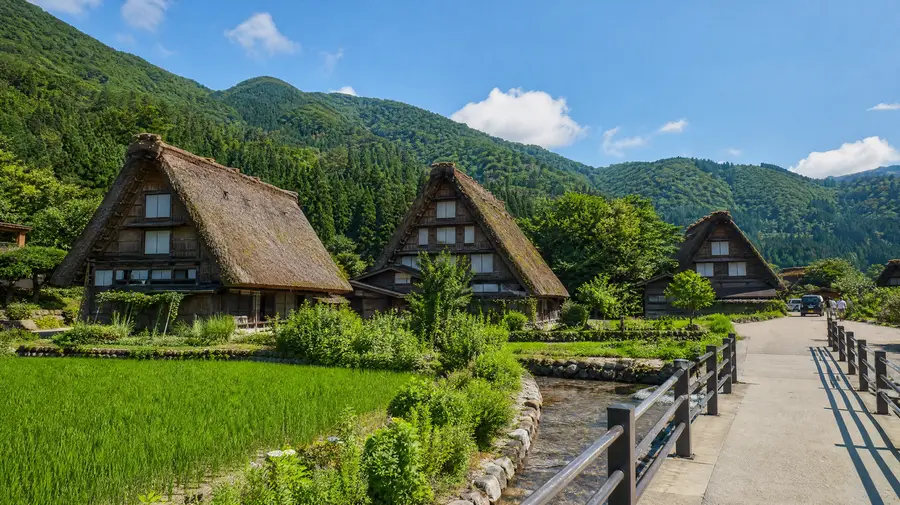
Snow changes the equation completely. Winter brings enormous snowfall to Gifu Prefecture, turning the landscape white and sometimes shutting down toll roads. If you are visiting to see the deep drifts covered in our Shirakawa-go winter guide, build a buffer into your evening schedule. A two-hour highway delay is not unheard of during heavy blizzards in January and February.
- Missed connections: If an afternoon bus is cancelled because of weather, highway operators coordinate replacement transport, but you are responsible for any missed train tickets down the line.
- Ticket changes: Changing your departure time at the terminal counter is possible only if seats remain on earlier runs and you hold an adjustable fare.
- Warm clothing at the stop: The depot waiting room is heated, but the boarding bays are outdoors under an open-sided roof. Mountain winds cut right through thin coats.
Frequently Asked Questions about tokyo to shirakawago
Can I visit Shirakawa-go as a day trip from Tokyo?
Technically yes, but it makes for an exhausting day. You spend roughly 8 to 9 hours sitting on trains and buses just to spend 3 hours walking around the farmhouses. An overnight stay in Kanazawa or Takayama makes the experience far more sensible.
How far in advance do I need to book the bus?
Reserve seats 30 days ahead when ticket windows open, especially for autumn foliage dates or winter weekends. Routes connecting Kanazawa and Takayama to the village sell out completely during peak travel seasons.
Does the Japan Rail Pass cover any part of the bus trip?
No. The JR Pass covers your Shinkansen to Kanazawa or Toyama, and the Limited Express Hida to Takayama. The highway buses connecting those cities to Shirakawa-go are operated by Nohi Bus and Hokutetsu, which require separate fares.
Can I drive a rental car from Tokyo instead of taking the bus?
You can, but it takes roughly 5 to 6 hours without stops and costs quite a bit in expressway tolls. During winter, rental companies require four-wheel drive and studless snow tires, making public transit much safer for unfamiliar drivers.
Quick Reference
- Fastest transit: Tokyo to Toyama Shinkansen (130 mins) + Bus (80 mins)
- Scenic transit: Tokyo to Nagoya to Takayama via JR Hida train + Bus (50 mins)
- Bus reservations open: Exactly 1 month prior to departure date
- Terminal luggage storage: Coin lockers and staffed storage available on site
- Direct train to village: None exists; all rail routes require a bus transfer
Book your shirakawa village experience:
The Bottom Line
Getting out to the mountain valley takes some legwork, but the connections run with predictable Japanese precision. Pick either Kanazawa or Takayama as your staging ground, lock in your bus seats the moment the booking window opens, and give yourself enough breathing room between train transfers so you never have to sprint across a platform.
Read more about shirakawa village.