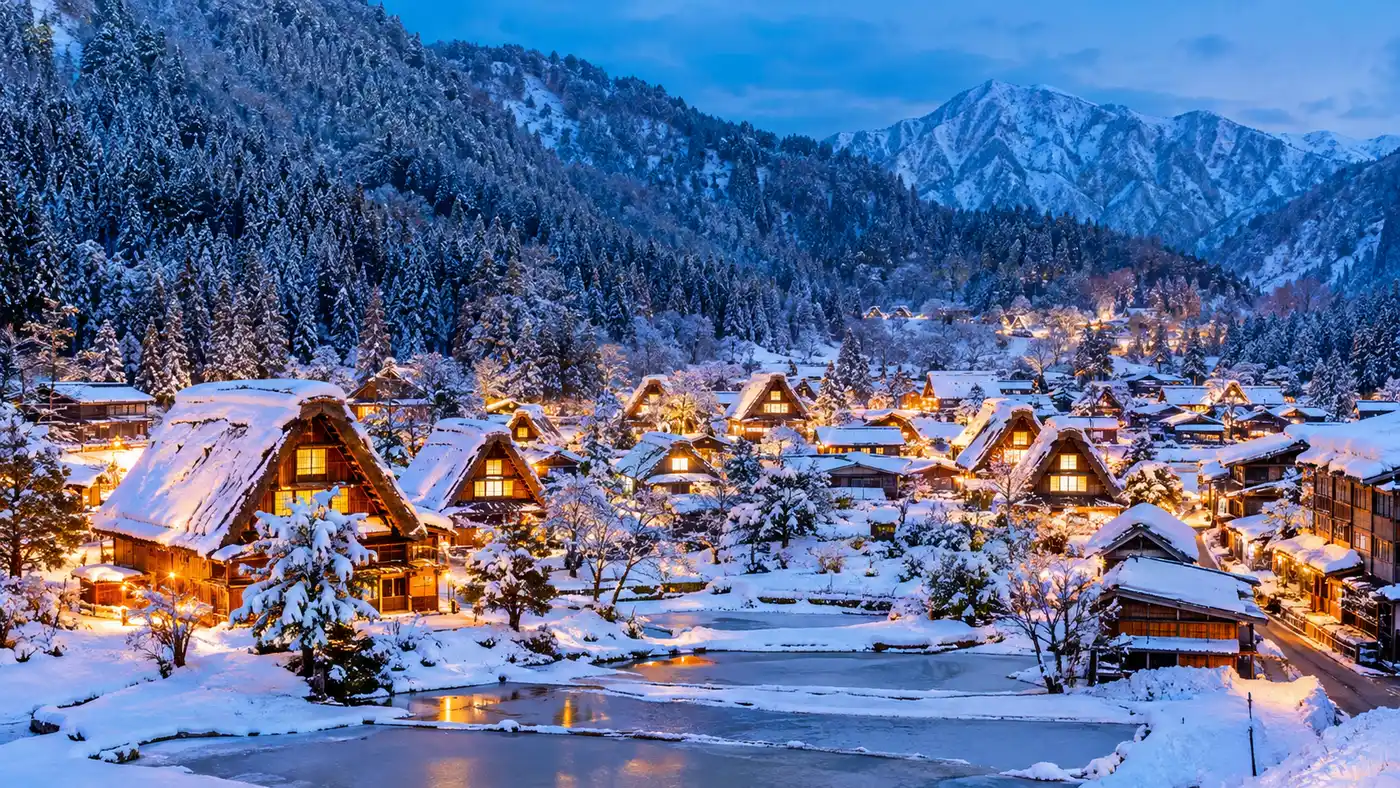
Shirakawa-go in Winter: Snow Season and Illumination Guide
Stepping off the bus into Ogimachi in late January feels like walking straight into a shaken snow globe. The sound is what hits you first, or rather the lack of it, because two meters of powdered snow muffles everything except the crunch of your own boots on frozen paths. Planning a trip to experience shirakawago winter takes work, patience, and some luck with lottery tickets, but seeing those massive thatched roofs blanketed in heavy white drifts is something you will remember for the rest of your life.
Every year, thousands head up into the mountains of Gifu Prefecture to catch a glimpse of this remote settlement. Winter brings bitter mountain winds and freezing slush, yet it also transforms the valley into an unbelievable alpine scene. Whether you want to witness the famous evening illumination or simply hike through the village during a quiet daytime blizzard, getting the details right makes all the difference between a magical trip and a miserable, freezing afternoon.
Book your shirakawa village experience:
When Snow Season Hits: What to Expect Month by Month
Snow does not arrive all at once. If you arrive in early December hoping for deep drifts swallowing farmhouse doorways, you might find wet mud and patch snow instead. The real accumulation starts creeping in around mid-December, coating the high cedar ridges before settling down into the valley floor.
January and February are peak months for Shirakawa-go in winter. By mid-January, the snowpack regularly reaches depths between 1.5 and 3 meters. Snowplows run constantly along the main roads, carving narrow canyons through walls of white powder. Roofers and farmers clamber up onto dizzyingly steep thatch slopes with wooden shovels to push off hundreds of kilograms of snow before the weight crushes their ancestral homes. It is noisy, messy, living heritage, not a quiet museum preserved under glass.
March brings the slow thaw. The snow gets heavier, wetter, and turns to grey slush on footpaths. You can still see plenty of white on the peaks, but the picture-postcard roof frost begins to slide off in wet clumps. If you want pristine, dry winter views, aim between January 10 and February 20.
Pro tip: Check the live webcam operated by the village council before boarding your morning bus from Takayama; mountain weather shifts fast, and clear sunshine in the valley often turns into heavy blizzard conditions within three miles.
Surviving the Cold: Gear and Village Realities
City shoes will ruin your day here. I saw someone trying to navigate an icy timber footbridge in low-top leather dress sneakers, clinging to a rope handrail while sliding backward. The paths inside the village freeze into slick, hard-packed sheets of ice wherever hundreds of visitors walk over fresh powder.
The damp mountain chill cuts straight through thin denim. Temperatures hover between -8°C and 2°C on typical mid-winter afternoons, but the valley holds high humidity that seeps straight into your joints. You need waterproof winter boots with deep rubber treads. If you do not own rugged snow boots, buy rubber slip-on ice spikes at the convenience store near Takayama Station for around 1,200 yen before you get on the bus.
- Footwear: Waterproof hiking boots or insulated snow boots with deep rubber lugs.
- Outerwear: Windproof ski shell or long down coat treated with water repellent spray.
- Accessories: Fleece-lined beanies, neck gaiters instead of loose scarves, and touch-screen gloves.
- Hidden essentials: Pack two pairs of wool socks and keep sticky heat packs (kairo) inside your coat pockets for your phone battery, which will drain in about 45 minutes in the freezing air.
Public restrooms around the open-air parking lots have heated seats, thank goodness. Even so, running water lines can freeze on sub-zero mornings, meaning some outlying facilities close without warning.
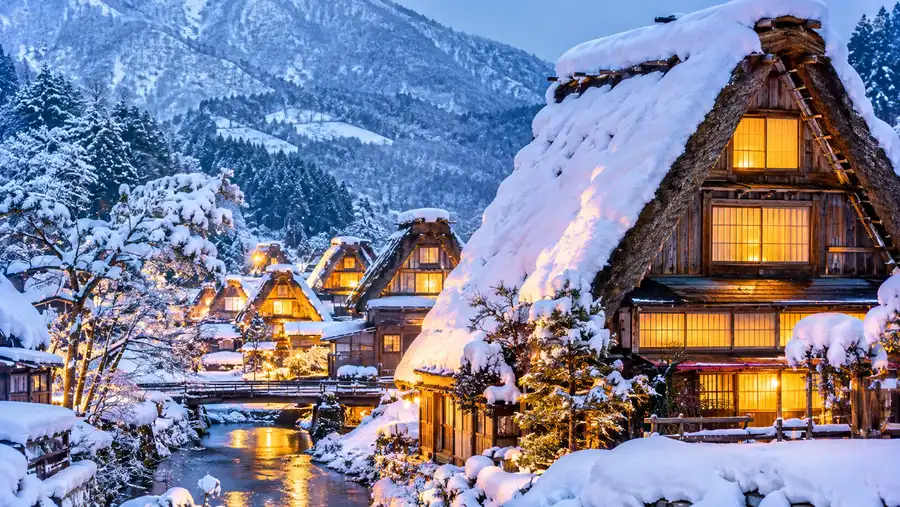
The Shirakawa-go Winter Illumination: Rules and Lotteries
Seeing the light-up event is no longer something you can decide on a whim over breakfast. Due to extreme overcrowding that brought dangerous traffic jams along narrow mountain roads, village authorities strictly regulate entry during the light-up evenings. Only around six dates are scheduled each year, spread across Sunday evenings in late January and early February.
You cannot simply drive in, park on the shoulder, and walk into the village after 15:00 on event days. Admission requires an advance reservation won through a competitive lottery system that opens in September and October. If you do not have an official parking permit, an authorized overnight stay booking, or a ticket on a licensed illumination tour bus, you will be turned away at security checkpoints well outside Ogimachi.
Note: Daytime visitors without illumination passes must leave the village grounds by 15:00 on event days, as all non-ticketed shuttle buses and private vehicles are cleared out before dusk.
The lottery handles several categories. Staying overnight inside an authentic gassho-zukuri farmhouse on an illumination night is the absolute holy grail. Those slots are extremely limited, often fewer than 40 rooms across the entire settlement, and hundreds of thousands apply for them. Most visitors who witness the lights do so via chartered expressway bus tours originating in Takayama, Kanazawa, or Nagoya.
| Option | Booking Method | Approximate Cost | Key Detail |
|---|---|---|---|
| Farmhouse Overnight Stay | Official Village Lottery | 15,000 to 28,000 yen per person | Includes dinner, breakfast, and observation deck entry |
| Highway Tour Bus (e.g. Nohi Bus) | Bus Operator Lottery / Booking | 7,500 to 12,000 yen round trip | Leaves Takayama or Kanazawa; village stay limited to 2.5 hours |
| Private Parking Permit | Official Village Web Lottery | 4,000 to 5,000 yen per car | Driver must arrange own lodging elsewhere; deck tickets cost extra |
| Standard Daytime Visit | Regular Bus Timetable | 2,600 yen one-way (from Takayama) | Must exit by 15:00 on light-up days; no permit needed |
If you fail to secure a light-up ticket, do not panic. The daylight atmosphere in shirakawa go winter is actually far more relaxed, and you can see much more of the intricate carpentry without security guards herding you along roped-off spectator lanes.
Book your shirakawa village experience:
Getting There and Navigating the Journey
The mountain passes leading to Shirakawa-go get buried under heavy drifts from December through March. Driving a rental car here during mid-winter requires extensive experience with mountain snow driving, a four-wheel-drive vehicle, and certified studless snow tires. Highway police frequently set up tire-inspection checkpoints before tunnel entrances, turning away vehicles that lack proper winter equipment.
For most travelers, highway buses are the safest, most reliable route. Direct buses run frequently from Takayama, Kanazawa, and Toyama. If you are planning your route from the capital, our detailed guide on getting to Shirakawa-go from Tokyo breaks down the train and highway coach connections step by step. Seats on the popular Nohi Bus lines sell out weeks in advance for January and February departures, especially on weekend mornings, so secure your transit passes the exact day bookings open online.
Luggage is another issue people forget. Dragging a 28-inch wheeled suitcase across two inches of wet slush is pure misery. Store your heavy bags in the lockers at Takayama or Kanazawa Station and carry only a light backpack with clothes for the night if you are staying in the village.
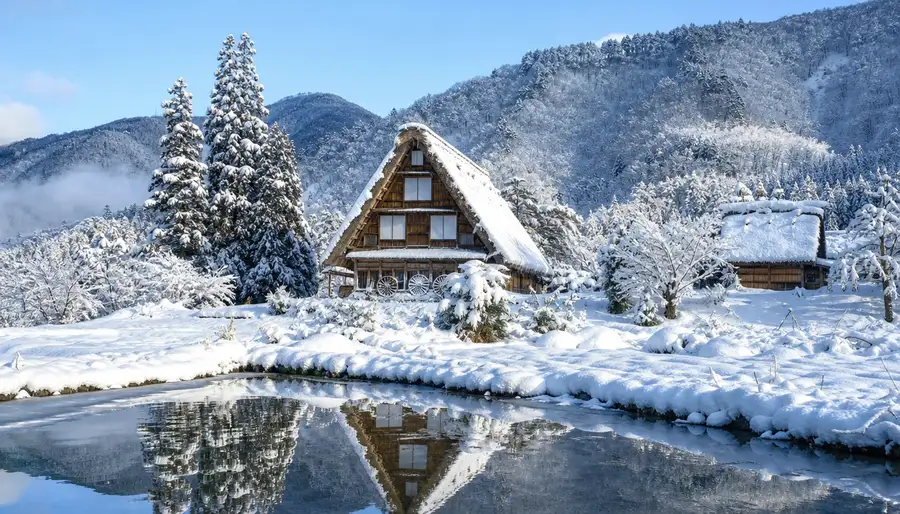
Wandering Ogimachi: Daytime Walks and Warming Shelters
The best hours in the village are early morning, around 8:30, right before the first waves of charter coaches pull into the Seseragi parking lot. Crossing the Deai suspension bridge over the Shokawa River feels breathtaking when fresh morning frost coats the suspension cables and mist rises off the icy water.
Step inside Wada House or Nagase House to understand how these timber giants survive the brutal cold. Massive smoking open hearths, called irori, burn down in the central living rooms. The aromatic smoke rises up through open floorboards to cure the ceiling timber, dry out the straw thatch, and kill off wood-boring insects. You can read more about how these structures were built without a single metal nail in our look at traditional gassho-zukuri architecture.
When your toes go numb from walking on the packed ice, pop into one of the tiny village soba shops. Soba noodles in piping hot broth topped with wild mountain vegetables (sansai) cost around 1,100 yen. Sweet red bean soup with grilled rice cakes, called zenzai, will warm your fingers through a clay bowl while you sit beside a roaring kerosene stove.
- Wada House: Largest residence in Ogimachi, open 9:00 to 17:00, admission around 400 yen.
- Shiroyama Viewpoint: Elevated overlook providing the classic postcard vantage of the entire village.
- Myozenji Temple: Rare thatched temple bell tower and museum complex near the cedar groves.
- Kanda House: Four stories tall with excellent cross-beam displays in the upper silkworm lofts.
The hike up to the Shiroyama Viewpoint takes about 20 minutes along a winding hillside walking trail. When snow is heavy, this walking trail closes due to avalanche risk, leaving only the shuttle bus route running from the village center for 200 yen each way.
Frequently Asked Questions about shirakawago winter
How cold does Shirakawa-go get in winter?
Temperatures typically range from -8°C at night to about 2°C during mid-day between January and February. Cold winds and high humidity make it feel considerably colder, so windproof layers and insulated snow gear are essential.
Can I see the snow in Shirakawa-go without attending the illumination event?
Yes. The village is completely covered in snow every single day throughout January and February. You can visit on any normal daytime schedule without lottery permits to enjoy the full snow experience.
Are drone cameras allowed in the village during winter?
No. Drone flights are strictly banned across all residential areas and historic zones in Ogimachi without municipal permits to protect historic thatched roofs from fire or crash damage and to preserve residents' privacy.
Quick Reference
- Peak snow months: January to late February
- Average snow depth: 1.5 to 3 meters
- Illumination admission: Lottery reservation mandatory
- Walking footwear: Waterproof boots with ice spikes
- Daytime exit rule: 15:00 on light-up days
Book your shirakawa village experience:
Is It Worth It?
Visiting this high mountain valley in the dead of winter is uncomfortable, cold, and requires far more planning than an easy day trip around Kyoto. Your socks might get damp, your fingers will feel stiff, and crowds can be thick near the souvenir shops. But standing beneath eaves draped in three-foot icicles, hearing the snow slide off a roof with a deep thud, and looking across at a preserved settlement that has defied harsh mountain winters for over two hundred years is truly special. Pack sensible boots, book your transport early, and give yourself enough time to wander quietly past the rice paddies away from the coach buses.
Read more about shirakawa village.